How Sports Help Teens Build Lifelong Skills
Sports can be fun activities that teach us new skills, like taking a corner kick, shooting a free throw, sliding into home base, and serving an ace. However, sports teach us so much more than sports-specific skills. Involvement in sports allows young athletes to learn lifelong skills, from physical health benefits to social, emotional and mental health benefits, such as how to work collaboratively, leadership skills and coping strategies needed in today’s world.
Participating in sports can be considered a microcosm of life, in that it can teach young players critical skills they will need in school, work and in life. Let’s review the ways sports involvement can benefit your player and teach them lifelong skills that will guide them for years to come.

What Are Life Skills?
Life skills are critical abilities that enable individuals to effectively handle the everyday demands, challenges, and decisions of life. These transferable skills, often spanning personal, social, and emotional domains, foster resilience, independence, and success in work, school, and relationships.
Examples of Life Skills
Life skills encompass a wide spectrum, including cognitive, personal, interpersonal, and practical abilities. These include:
- Cognitive skills such as problem solving, decision-making and critical thinking
- Emotional skills such as coping skills, self-awareness, self-discipline, resilience and self-regulation
- Social skills such as empathy, communication skills, and collaboration skills

Developing Life Skills in Sports
Involvement in sports teaches much more than just how to treat our bodies in a healthy way through movement, nutrition and training. They teach us transferable skills that will be beneficial for years to come.
Building Cognitive Skills
Being a part of an athletic team means learning plays, positions and strategies to compete against other teams. It also means being able to use these skills under pressure. These skills of problem solving, critical thinking and decision making aren’t just skills that are used on the field, court or pitching mound, but they are skills that, once fine-tuned, can be used in the classroom and a career of the future.
Social & Emotional Growth
Sports also teach players how to handle their emotions, whether they are handed a tough loss, a bad call by an official or pushing through a challenging practice or training.
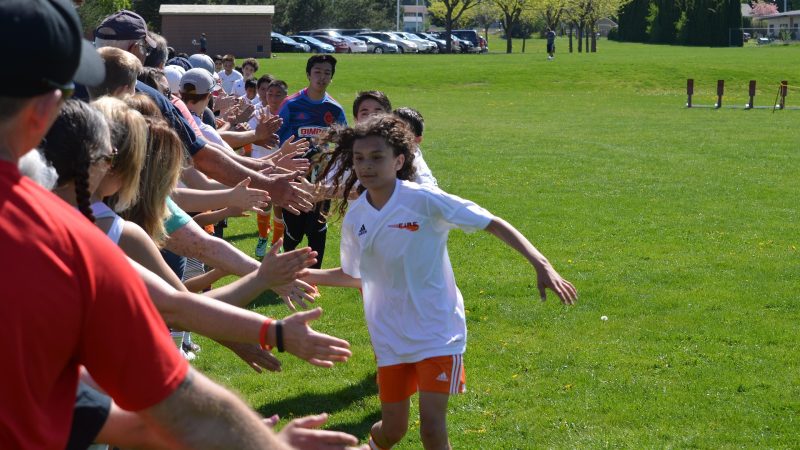
Socially, being part of a community of athletes allows players to feel like they belong, which boosts self-esteem, forces them to learn communication skills and work as a cohesive team in order to succeed.
Development of Discipline and Determination
Showing up on time for practice, following the team rules and working hard at something day after day develops grit and a level of discipline, resilience and determination that can not always be taught in a classroom.
Sharpening Mental Strength
Movement found in sports isn’t just good for the body; it’s good for mental acuity as well. According to the School Sports Foundation, “Sports help children manage stress, regulate emotions, and develop healthy coping mechanisms. Adults who were active as kids are more likely to use exercise as a tool for managing anxiety and maintaining mental well-being.”
The value of sports extends far beyond the score; it offers your athlete a practical, powerful education in life’s most essential skills, from emotional regulation to grit and collaboration. To connect your child with the right athletic environment where they can learn, grow, and build their future, visit Club Sports Finder today for teams, resources, and expert suggestions to find the perfect fit.