
The Dos and Don’ts of Sideline Behavior
Parents are a child’s biggest cheerleader. They sit on the sidelines, brimming with pride and joy as they watch their player thrive in a sport they love. Watching a child pour their heart into a sport can be joyous, but it can also be frustrating if they don’t get the play time they want, have calls made against them or don’t perform to expectations. It can be tempting to coach from the sidelines, let the refs know your disapproval of a call, or even use inappropriate language toward coaches or other players.
Good sportsmanship isn’t just something that should be found in players on the field, ice or court. It should also be evident on the sidelines, with parents and friends supporting their athlete, no matter the game’s outcome. While showing up for a player can be supportive and encouraging, it can also be frustrating if things are not going as hoped.
Here are a few behaviors that you should take part in from the sidelines and some that you should avoid.
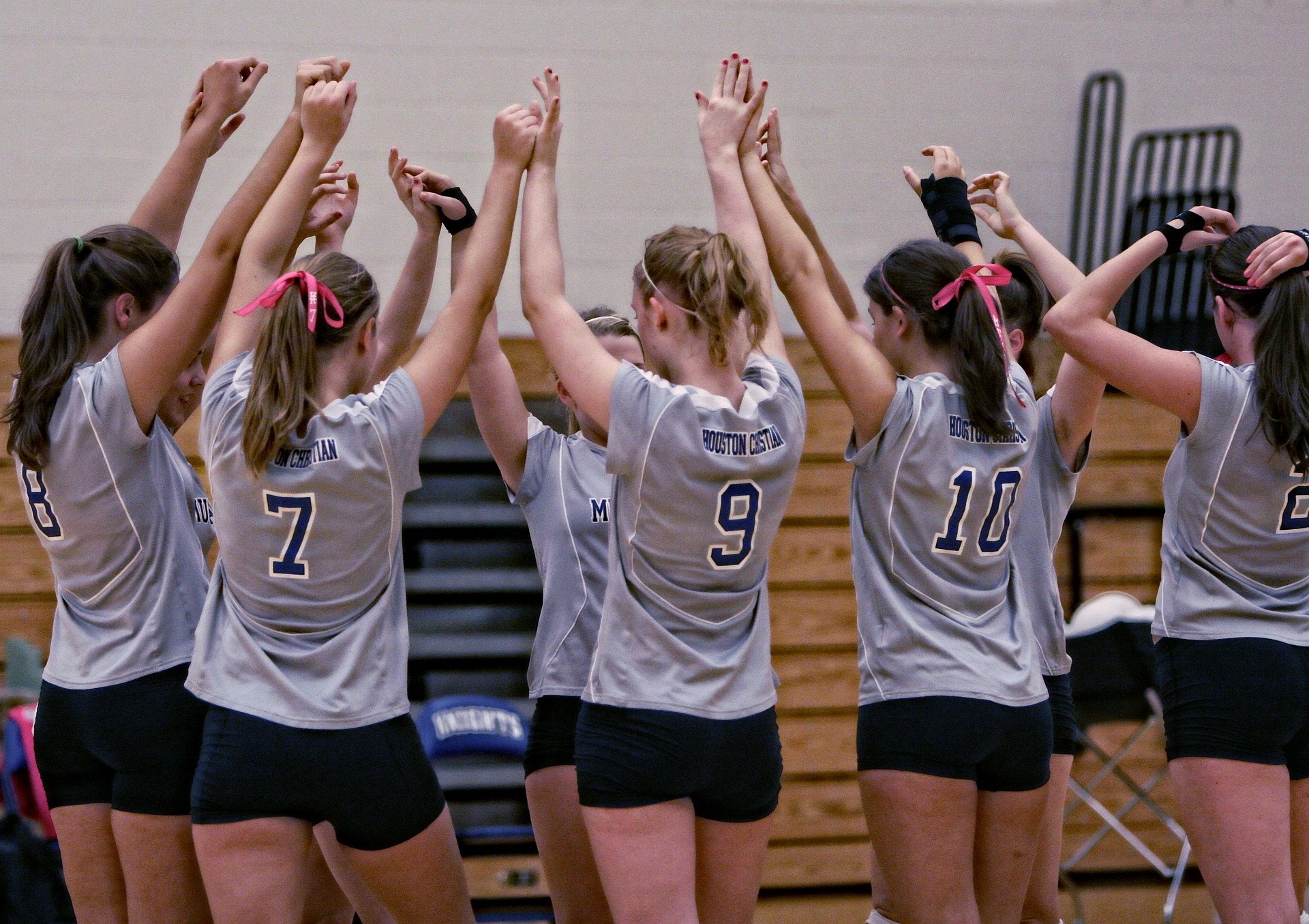
The Dos of Sideline Sportmanship
Use Uplifting Encouragement
The ultimate goal of being on the sidelines is to support and encourage your young player. Do this through cheering for your athlete’s effort, teamwork, and resilience, not just their victories. Keep the applause respectful and geared toward the entire team effort, not just your child. Celebrate great plays regardless of who on the team makes them.
Sit in Designated Areas
It may be tempting to stand behind the backstop to cheer on your catcher or near the goal to support your goaltender, but sit in the designated parents’ area across from the player’s sideline, often in a section with other parents from the same team.
Pay Attention to Body Language
Players are keenly aware of their parents’ behaviors, including body language, on the sidelines. Be aware of body language that may be impacting your athlete, such as pacing on the sidelines, putting your head down in despair, wringing your hands, or grimacing when a play does not go your way. Keep it light and easy on the sidelines. Smile at your player and let them know you support them, no matter the game’s outcome.
Paying attention to body language also includes paying attention to the game. Avoid using your phone or turning your back on the game to chat with other spectators.
Be a Source of Comfort
As adults, we know “you can’t win them all” and that mistakes are inevitable. Be there for your child after a tough loss by listening to them and letting them know how much you care and that one game doesn’t negate all the hard work that was put into the season.

Avoid These Common Sideline Missteps
Don’t Be the Coach or Referee
Many parents and spectators feel invested in the games their young athletes play. But this does not mean you are the coach. Avoid coaching your child from the sidelines. Your job is to cheer and encourage, not teach a skill during the game. By yelling instructions or calls, you are undermining the coach and referee and possibly embarrassing your player.
Don’t Critique Performance
During a game is not the time to critique how your player is doing. In fact, let the coach take care of the coaching when they see fit, either in mid-play, during timeouts or at halftime breaks.
Don’t Argue with Other Spectators or Referees
Screaming or slinging insults at other parents, spectators or game officials can be cause for being asked to leave the game. It is also setting a poor example for the young athletes who are watching the behavior.
Don’t Make Comparisons
Avoid comparisons to teammates or rivals, as they undermine confidence. Focus instead on celebrating your child’s individual effort and personal progress.
A parent’s presence on the sidelines should be a positive force that lifts your young athlete and their team, not a source of stress or distraction. By committing to encouraging, respectful, and supportive behavior, you model the best of sportsmanship and ensure your child’s experience remains joyful. For more information on supportive sports parenting and to find the club or team that is the right fit for your player, visit Club Sports Finder today.