
Beyond the Game: Mental and Physical Strategies for Stress Management
According to studies from the National Institutes of Health (NIH), approximately 91% of high school athletes experience some level of stress, with 58% reporting moderate to extreme stress. Around 40-50% of youth athletes experience stress specifically due to sports, often driven by fear of disappointing parents, coaches, or teammates. Key issues include burnout, anxiety, and depression, with 45% of children quitting sports due to excessive pressure.
While it is fairly common for athletes to experience some stress, they should also be aware of the many strategies to prevent it from becoming overwhelming and a hindrance to their academic and athletic success.
Here are some of the top mental and physical stress relief techniques that should be in every athlete’s toolkit.

Key Stress Management Techniques for Athletes
Stress management techniques are not “one size fits all.” What helps one athlete might inadvertently cause more stress for another. Finding the right fit for stress management may be a trial-and-error method. Here are several to test out as you manage your stress levels.
Meditation & Mindfulness
Mindfulness involves staying present and fully engaging with the current moment without judgment. This can be incredibly beneficial for athletes, helping them maintain focus and reduce anxiety. Techniques for practicing mindfulness include simple breathing exercises, such as deep breathing or box breathing, which can quickly calm the nervous system by having you inhale deeply through your nose, hold for a few seconds, and then exhale slowly through your mouth. Additionally, guided meditation, often available through apps and online resources, can be tailored for athletes to help them relax and clear their minds before and after competitions.
Visualization Techniques
Visualization techniques for stress management, also known as guided imagery, work by having you create detailed, calming mental images, such as a beautiful beach, lush forest, tranquil mountain scene, or a cozy, familiar room. By engaging all the senses to imagine a peaceful setting or a positive, successful outcome (such as performing well), these methods reduce stress hormones and induce deep relaxation. This shift in focus moves your mind away from anxiety-inducing thoughts, effectively giving you a mental “mini-vacation.”
Positive Self Talk
According to PositivePsychology.com, positive self-talk is an optimistic internal dialogue that reframes negative thoughts, boosts confidence, and helps manage stress. It involves speaking to oneself with compassion rather than criticism, as you would to a friend.
Examples of this include flipping negative talk, such as “I’m no good at this” to “I’m getting better every day.” Or “I can’t do anything right” to “There was a lot I did well today, I just need to tweak a couple of things.”
Create a Support System
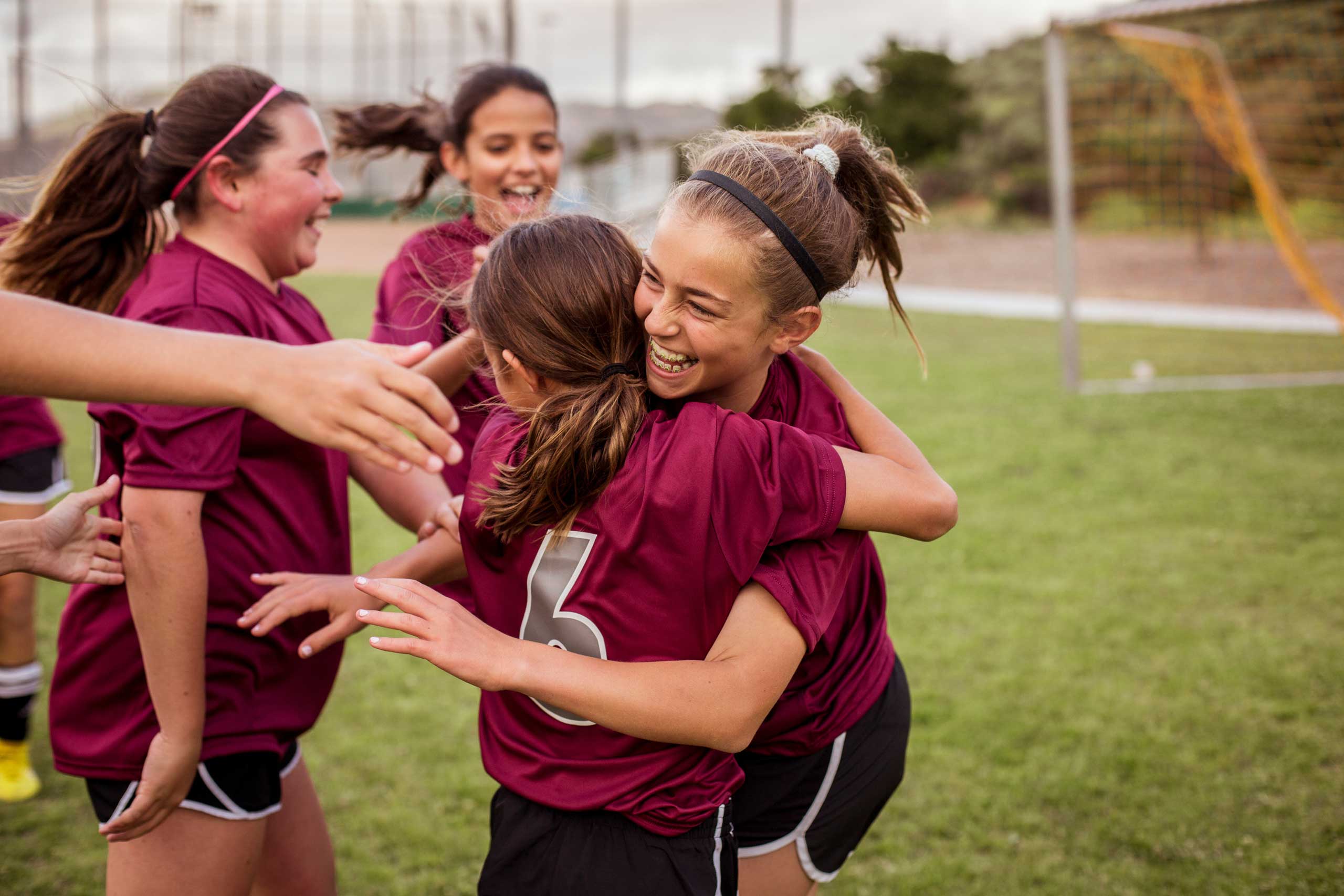
Sometimes just having someone to talk to about the stress in your life can make a world of difference. Seek out help from a parent, coach, trainer or teacher who can talk with you about what is causing the stress in your life. Professional support from a mental health provider can also be an excellent support system, helping you develop coping techniques that will serve you throughout life.
Implementing these mental and physical stress-relief techniques is crucial for helping young athletes maintain well-being, optimize performance, and, most importantly, continue to enjoy their sport. By building a personalized toolkit of strategies such as mindfulness, visualization, and a strong support system, your athlete can effectively manage pressure both on and off the field. For more expert guidance and resources on developing a sustainable, healthy athletic career for your child, visit Club Sports Finder today.