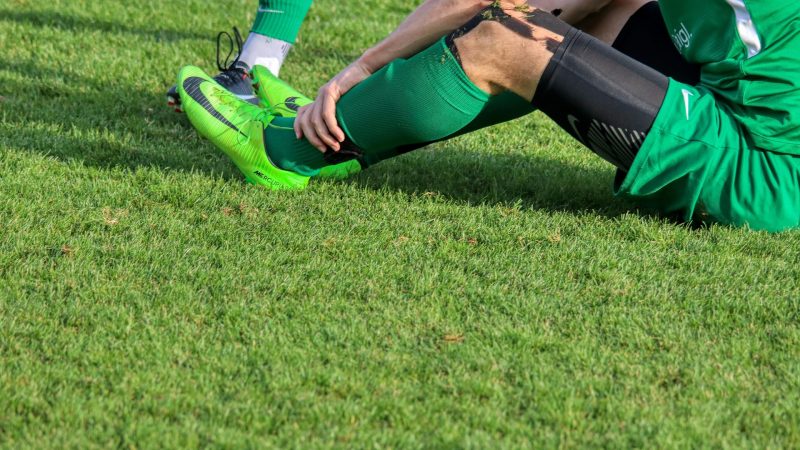
Practical Tips for Preventing Sports Injuries
Involvement in sports can strengthen young athletes’ bodies and minds. Unfortunately, participating in sports also puts young athletes at risk of injury. The American Academy of Pediatrics reports that the more contact the sport contains, the greater the risk of injury. While they also praise the benefits of sport, they suggest that there are strategies and techniques that parents, coaches and athletes themselves can use to lower the risk and prevent some injuries.
Let’s take a closer look at sports injuries and how your athlete can take steps to improve their safety while playing the sports they love.

How Common Are Sports Injuries?
Approximately 30 million American youth and teens participate in organized sports each year, with more than 3.5 million injuries reported, according to a study published in John Hopkins Medicine. Large studies by the American Academy of Orthopedic Surgeons show numbers that vary by sport. They estimated 5.2 million high school sports injuries occurred in the U.S. between 2015 and 2019, with an overall injury rate of 2.29 per 1,000 athlete exposures. Football, girls’ soccer, and boys’ wrestling saw the highest rates, with sprains/strains (36.8%) and concussions (21.6%) being most common.
Beyond sprains, strains, and concussions, some of the other common physical traumas athletes sustain include joint injuries, including ACL tears and dislocations or bone injuries such as breaks and fractures. There has also been a major increase in concussions in the last few years, a concerning statistic that worries pediatric physicians and athletic trainers alike.

Injury Prevention Strategies Every Athlete Should Practice
With a large number of athletes experiencing injuries each year, it is important to focus on strategies that can keep your young athlete out of the hospital or doctor’s office. Here are a few suggestions to maintain a healthy body.
Schedule an Annual Sports Physical
Most schools require an annual sports physical to participate in each season. This seemingly innocuous appointment is a great first step to starting the sports season off right. This medical check-up is conducted before the sports season to determine whether an individual is fit to engage in a particular sport. A sports physical can identify underlying health issues before an athlete has taken the field.
Use Proper Protective Gear
Players should always wear the proper gear, including helmets, pads, eye protection, mouth guards or face guards during practices and games. Athletes should also be aware that these protective pieces should be replaced as they grow.
Use Correct Technique
Coaches and parents should encourage players to use the correct techniques specific to their sport. Using the correct technique reduces athletes’ risk of injury.
Practice Cross-training
By alternating exercises and targeting different muscle groups, athletes will reduce their risk of injury. Alternating between different muscle groups and exercising every other day can also achieve this goal.
Don’t Skimp on Warm Ups and Cool Downs
A 5 to 10-minute dynamic warm-up is suggested to increase blood flow and prepare muscles for the workout. Cooling down gives your body a chance to slowly return to its resting state, helping to prevent blood pooling and cramping.
Hydrate and Follow a Healthy Diet
Drinking water before, during, and after exercise can help athletes avoid heat exhaustion and keep joints lubricated and muscles working properly. A nutritious, balanced diet helps maintain strong bones and muscles.
Stop When There is Pain
No matter whether your athlete is practicing or in the middle of a game, if there is pain, they should stop the activity and have it checked by the coach and/or athletic trainer. Playing through pain can lead to further damage. Rest and recovery should be a regular part of the training schedule.
Sports injuries can be a serious setback, but by implementing prevention strategies like proper warm-ups, cool-downs, cross-training, and knowing when to stop playing, you can significantly reduce the risk and keep your athlete in the game. To find resources on effective training regimens and connect with specialists who can provide expert guidance on preventing and treating sports injuries, visit Club Sports Finder today.