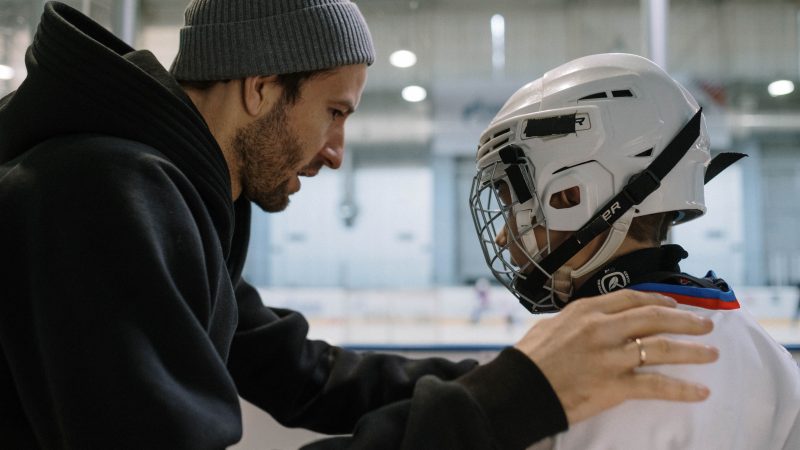
How to Stand Out at Club Sports Tryouts: 4 Mental Strategies
Club Sports Tryouts Test More Than Talent
My son learned to play with what he called a “goldfish memory.” When he made an error at a tryout—one of those mistakes that makes your stomach drop—he wouldn’t carry that frustration into the next play. He would simply let it go. It’s a powerful lesson for any athlete. Whether you’re stepping into a high-stakes scrimmage or a simple drill, you’re there to showcase the skills you’ve worked so hard on. Eventually, a mistake might happen. But, the athletes who truly stand out aren’t the ones who play perfectly; they are the ones who have the heart to reset immediately and keep playing.
I have watched this from both sides, as a psychologist who has worked with athletes and as a parent who raised two of my own through club sports. Skill is the baseline. It gets you into the gym. The athletes who thrive at tryouts are the ones who come prepared with mental resilience.
Here are four mental strategies to help you approach tryouts with confidence. These are the tools that can help you stay grounded and perform your best when it matters most.
Strategy 1: Find the Right Club for You

This one happens before you ever set foot at a tryout, and it does more for your tryout nerves than anything else on this list.
A lot of tryout anxiety isn’t actually about the tryout itself; more accurately, it stems from the vulnerability of walking into a program completely blind. When you step onto the court without knowing the coach’s temperament, the reality of the travel schedule, or the unspoken expectations of the season, your body instinctively treats those unknowns as threats. This creates a baseline of underlying tension that makes it exponentially harder to showcase the skills you’ve worked so hard to build.
Knowing what you are walking into allows you to arrive feeling settled. Before the tryout, take the time to research the club—look into how the coach runs practices, understand the true costs of the season, and talk to other families to get a sense of the program’s culture.
Resources like Club Sports Finder are helpful for this kind of research. You can use tools like these to explore programs in your area, understand their philosophy, and see what other families have experienced. Gathering this information is a proactive mental strategy that helps you walk into the gym feeling prepared and informed.
On choosing the right club, this is where I disagree with a lot of parents. Many have the instinct to try out for the most competitive club you might have a shot at making. Unless a Division I scholarship is the actual goal, I would recommend a harder look at the moderately competitive clubs that are known for developing athletes. A program that wants to build you is often a better fit than the most selective one you can barely get into, and you will play more and improve faster.
Strategy 2: How to Prepare for Tryouts, Your Body the Day Before and Day Of
The night before a tryout is not the time to get better. It is the time to stop getting in your own way.
What to do the night before
- Get a good night of sleep. Don’t fall into a rabbit hole of highlight reels.
- Eat foods that give you energy and will not upset your stomach. Tryout day is a bad day to try something new.
- Stay hydrated, starting the day before rather than the hour before.
- Double-check the location and time, and lay your gear the night before.
- Arrive early enough to warm up and settle. Know how long the drive is, then add fifteen minutes.
Nothing on that list is exciting. It just clears the small stuff you can control so it isn’t in your way.
Strategy 3: Train Your Mind Before Tryouts
Most athletes think visualization means picturing yourself playing well. That is close, but the way most people do it does very little.
How to visualize properly
Do not watch yourself from the outside like you are reviewing a film or highlight. Get inside it.
Instead of imagining a highlight, pick a real memory of a game where you truly played your best. As you recall that experience, ground yourself in the sensory details: feel the texture of the floor beneath your feet, listen for the sounds of the gym, and visualize exactly what you were seeing the moment before you made that successful play.
Your brain can’t tell the difference between a vivid, lived memory and a rehearsal, so by practicing this sensory recall in the days before tryouts, you effectively trick your mind into treating the gym like a place you’ve already mastered, turning high-pressure nerves into a familiar confidence.
In short, visualization done this way helps you stop overthinking. When you overthink, you mess up your rhythm. The goal is to just be present. Play. Stay in the zone. Practice your way there and trust your body to do the work.
Strategy 4: Stay Mentally Strong During Tryouts
The athletes I have seen make teams they had no business making were almost never the most talented ones in the gym. For the most part, coaches already know who can play. By the time tryouts start, they have watched enough to sort out the skill question fairly quickly, so they’re actually looking for something else: coachability. Standout players view corrections as a gift; when a coach gives them feedback, they apply it in the very next opportunity without complaint, showing they have the heart and work ethic to grow–even when they think no one is watching.
What coaches are watching for
- Listen and apply feedback
- Communicate with teammates
- Show effort on every play
- Stay positive after mistakes
- Demonstrate coachability
- Compete hard from beginning to end
None of that requires talent. All of it is a choice you make in the moment, and a coach watching forty athletes will notice the ones making it.
After a mistake: two questions
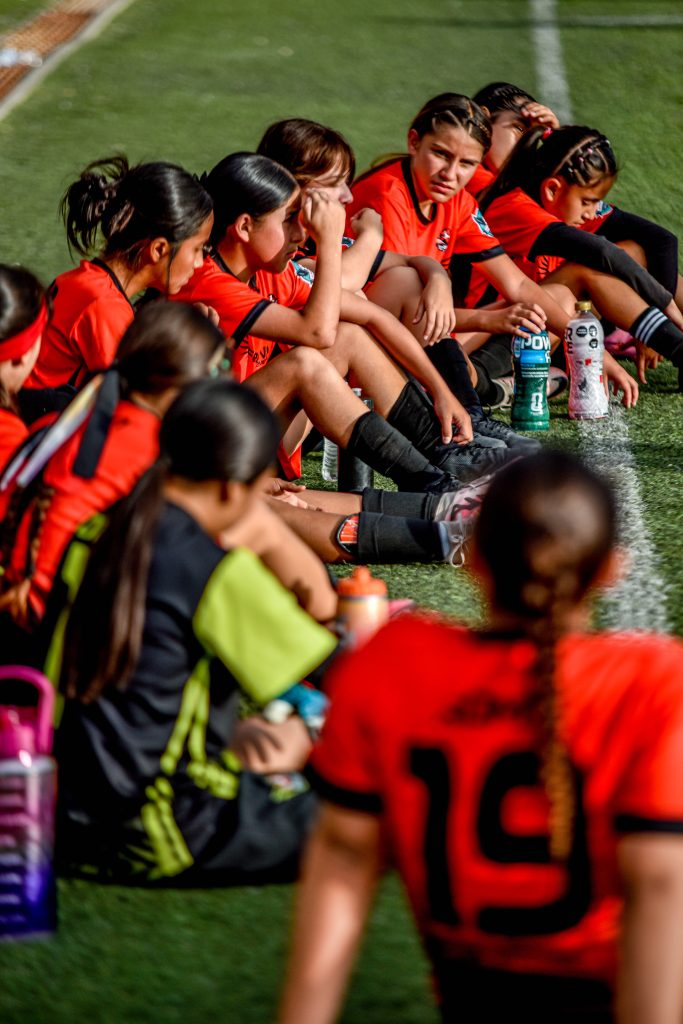
You are going to make a mistake at your tryout. Everyone does, including the athlete who makes the team.
What matters is the next ten seconds, so ask yourself two things:
- What did I learn from that?
- What adjustment can I make right now?
Then, just focus on the next play, and let your ‘goldfish memory’ take over. Coaches aren’t taking notes on the mistake you just made, but on how you choose to handle it.
What you can control
You cannot control who else shows up, what the coach is looking for that day, or how many spots there are.
What you can control is your effort, your attitude, your preparation, and how you respond when something goes wrong. Coaches can spot these qualities from the other side of the court, and they are the reason coaches remember athletes who were not the most talented ones there.
Start with the club. Look at what is out there, find the program that fits you, and walk in knowing where you are. The rest gets easier from there.
Remember that this journey is yours, and every tryout is an opportunity to learn more about yourself as an athlete. Trust your preparation, stay positive, and enjoy the game.
FAQ
How do you prepare for club sports tryouts?
Preparation runs on two tracks, physical and mental. In the day or two before, protect your sleep, eat normally, hydrate starting the day before, and sort out your gear and travel time so the morning has nothing to decide. On the mental side, learn what the club and coach are actually like before you walk in, and rehearse a real success memory from inside your own body. Walking in settled does more for your performance than one more late practice.
How do you calm tryout nerves?
Most tryout nerves come from the unknown, not the tryout itself. The more you know about the club, the coach, and what the session will involve, the less your body treats it as a threat. Then give yourself one reset you can use in the moment: forget the last mistake, ask what you learned and what to adjust, and play the next ball. You cannot think your way calm, so you prepare and then let the work carry you.
What do coaches look for at tryouts?
Skill is the fastest thing a coach reads, and by the start of a tryout they usually have a rough sense of who can play. The spots often get decided on everything else: whether you listen and apply feedback, communicate with teammates, show effort on every play, stay positive after a mistake, and compete hard from start to finish. None of that requires talent, and a coach watching forty athletes will notice who is choosing to do it.