Beyond the Game: Prioritizing Your Athlete’s Mental Health
American society admires the physical prowess of young athletes from the elite collegiate athletic level down to the early days of youth sports. While it is amazing to witness exceptional athleticism develop from a young age, it is also important to keep in mind that the demands of performance can take a devastating toll on a young person’s mental health, including anxiety, depression, eating disorders, and substance use/abuse.
The medical community has increasingly acknowledged the vital role of mental health throughout the often stressful athletic journey. In this section, we will delve into the rates of mental health issues among young athletes, outline common signs and symptoms, and provide essential mental health care tips.
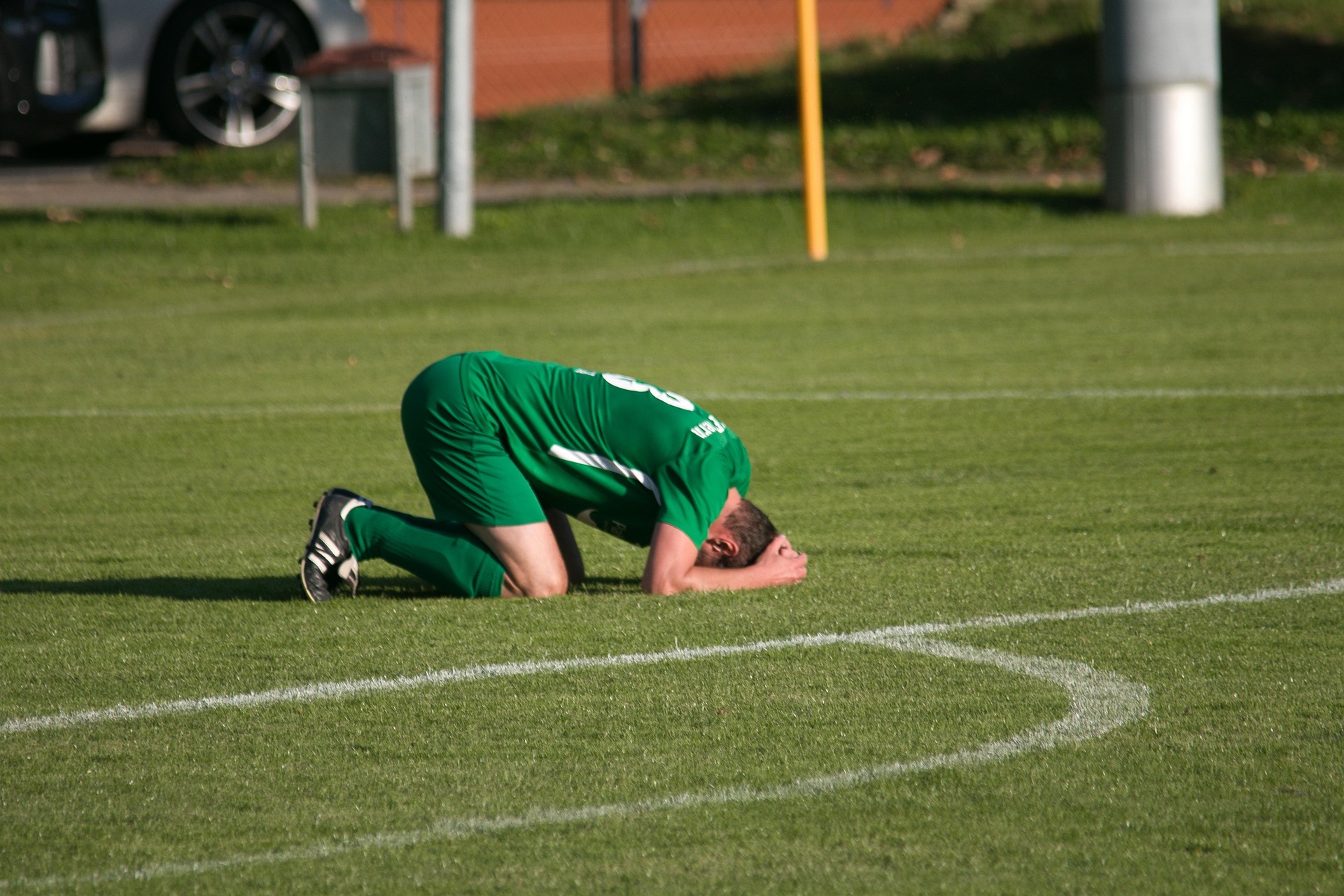
The Rate of Mental Health Issues in Athletes
While engaging in regular physical activity and being a part of a team has been shown to be good for young athletes’ mental health, the physical demands, performance-related pressure, fear of failure, and balancing multiple responsibilities, such as school, sports and family obligations, can have negative impacts on overall mental health.
A 2020 study found that about 35% of elite athletes have mental health concerns. The top issues reported by athletes included feelings of burnout, depression, and anxiety. Additionally, a May 2022 National Collegiate Athletic Association (NCAA) survey showed that college athletes reported elevated levels of mental health concerns. Those included feelings of exhaustion, anxiety, and depression.
Identifying Mental Health Concerns
Recognizing the signs and red flags that an athlete may be struggling with their mental health falls to coaches, trainers, parents and teammates. Every athlete is unique, but there are several common indicators that key players should be aware of throughout an athlete’s journey in their sport.
According to a Health Beat report by UPMC (University of Pittsburgh Medical Center), signs to look for include:
- Frequent low or sad moods.
- Short temper, irritability, or frequent bouts of anger.
- Excessive worry, fear, panic, or anxiety.
- Feelings of worthlessness or hopelessness.
- Feeling intense despair.
- Significant or distributive changes to eating and sleeping patterns.
- Sudden loss of energy.
- Apathy, or lack of interest in activities.
- Confusion.
- Social withdrawal or avoidance of friends, family, or responsibilities.
- Problems with alcohol or drug use.
- Thoughts of death or suicide.

Mental Health Care Tips for Athletes
To help support athletes and their mental health, athletic organizations, including school, town and club sports, should offer opportunities to learn more about nurturing healthy habits for mental health and outlets to discuss any issues as they develop.
Some of these tips include:
- Regular check-ins with athletes about mental health
- Training sessions about how to support mental health habits are given by team psychologists or outside professionals
- Develop support options for young athletes
- Conduct whole team or organization training about coping mechanisms such as breathing exercises, meditation, mindfulness, and grounding techniques
- Focus on achievable goals and individual goals
The increasing recognition of mental health’s vital role in the athletic journey is critical, as performance demands can lead to issues like anxiety, depression, and burnout, with studies showing elevated rates of these concerns in high school, collegiate and elite athletes. Key stakeholders, including coaches and parents, must be vigilant in identifying common signs such as sudden mood changes, social withdrawal, or loss of interest. To combat these challenges, athletic organizations should proactively implement support options, regular mental health check-ins, and training in coping mechanisms such as mindfulness and breathing exercises, while focusing on achievable individual goals. For more resources regarding mental health and your athlete, contact Club Sports Finder.