Injured, Now What? How Sports Injuries Affect Mental Health (and How to Cope)
TL;DR: Sports injuries and mental health go hand in hand. A sports injury hits your mind as hard as your body, and feeling angry, sad, or afraid afterward is completely normal. The athletes who cope best get a clear diagnosis quickly, build a strong recovery team, stay connected to their teammates, and keep learning the game while they heal. If low mood lasts, gets worse, or fear of reinjury keeps holding you back, a sports psychologist can help.
One moment you’re giving the game your full focus. The next, you’re on the ground wondering what just happened.
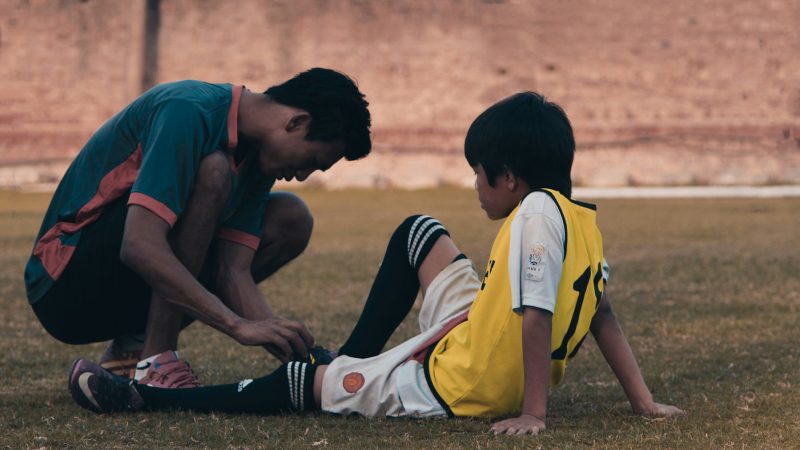
Every athlete hopes they’ll never hear the words, “Stay down, we’re getting the trainer.” In a few seconds, your season, your goals, and even your sense of who you are as an athlete can suddenly feel uncertain. That’s why an injury can shake your mental health as much as your body, and why coping starts right there, in that moment of shock.
What My Own Sports Injury Taught Me
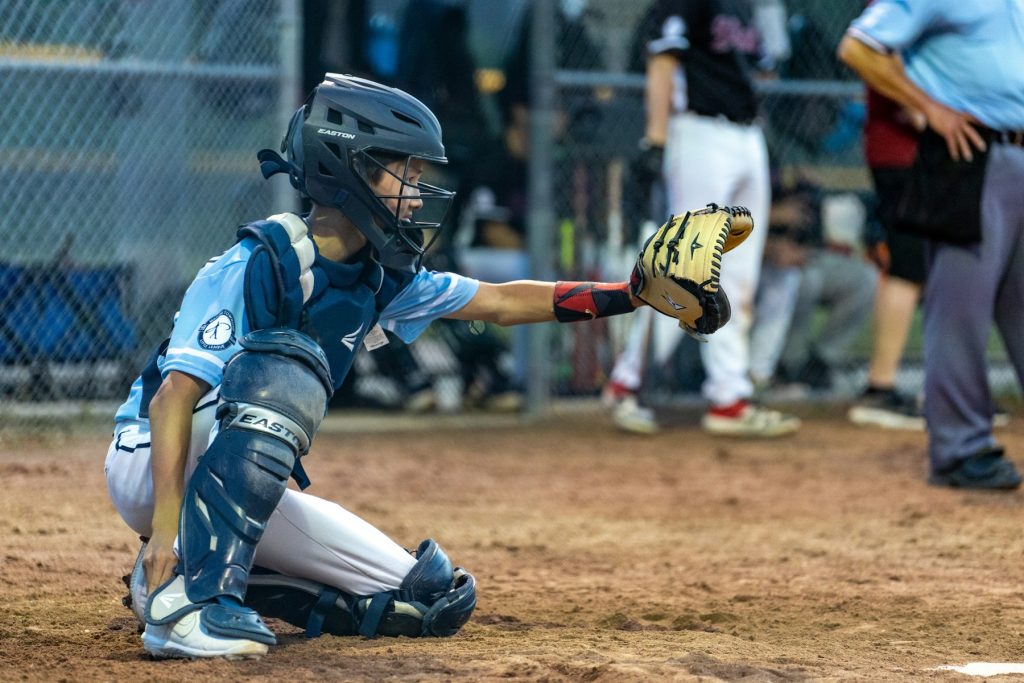
During my junior year of high school, I was catching in a softball game when a runner tried to barrel through home plate. At the exact moment of the collision, the throw from left field arrived, struck my helmet, and drove the brim into my nose. The impact fractured my nose and knocked me unconscious.
I still remember waking up under the bright field lights, completely disoriented. While my parents went to get the car, two fathers carried me off the field. To this day, I couldn’t tell you who they were.
The fracture was painful, but thankfully it didn’t need immediate surgery. By the next day, my thoughts had already moved past the pain to one question: How do I get back on the field?
If you’re an athlete dealing with an injury, or the parent of one, I want to share what I’ve learned as a former athlete, a parent, and a psychologist. These steps will help you handle the mental side of recovery and get back to playing with confidence once your body is ready.
How Sports Injuries Affect Mental Health
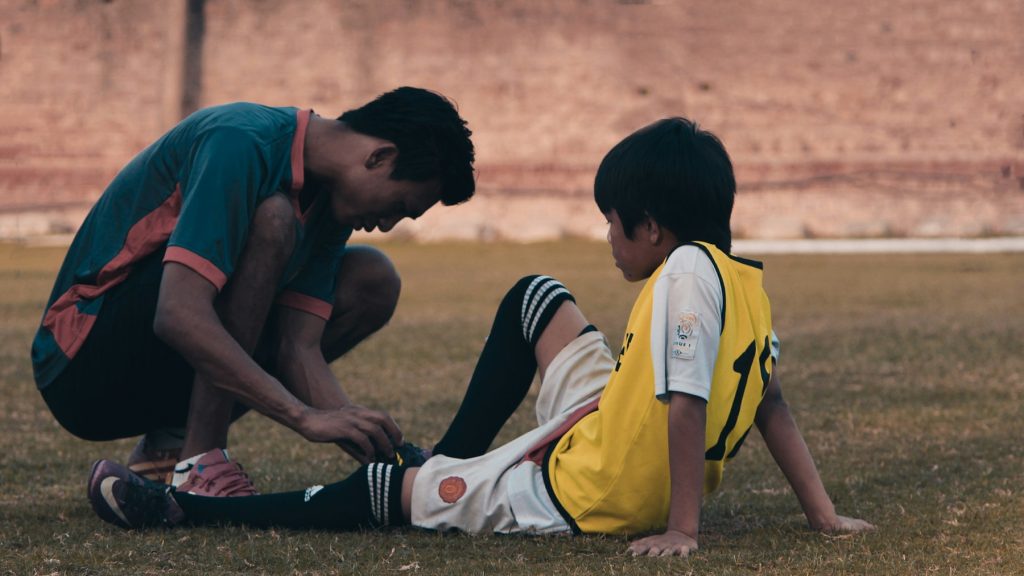
Right after an injury, you’re dealing with two kinds of pain at once: the physical injury itself and the psychological hit that comes with it. Research backs this up. A 2024 review of studies on young athletes found that recovery brings a mix of emotions, from motivation to get back in the game to fear of reinjury and feeling isolated from the team.
Why Sports Injuries Can Hit Your Mental Health Like Grief
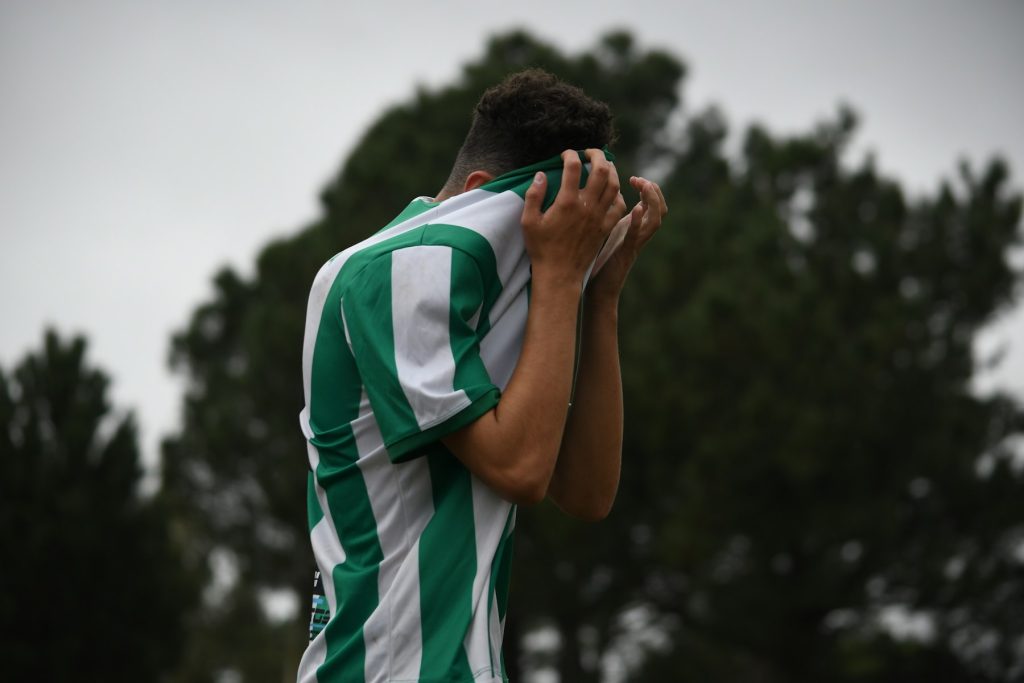
Many athletes go through a grief reaction after getting hurt. You might feel anger, sadness, anxiety, or fear, sometimes all in the same hour. Your mind may race as it tries to figure out exactly what happened and what it means for your ability to play. That flood of emotion can make it hard to think clearly, and that’s normal.
Let the Emotions Pass Without Getting Swept Away
In those first moments, give yourself room to feel what you’re feeling. Picture your emotions as a surge of floodwater rushing down a river. Now picture yourself standing on a high bank, well out of the water’s reach. From there, you can let the wave move through you without worrying that it will pull you under. The emotions are real, but they won’t last forever.
Coping With Sports Injuries: 5 Steps to Protect Your Mental Health
1. Get a Clear Diagnosis Quickly
Not knowing what’s wrong feeds anxiety. Have a doctor evaluate the injury as soon as you can, including any imaging your doctor recommends. The sooner you know exactly what you’re dealing with, the sooner you can stop guessing and start planning your recovery.
2. Build the Right Recovery Team
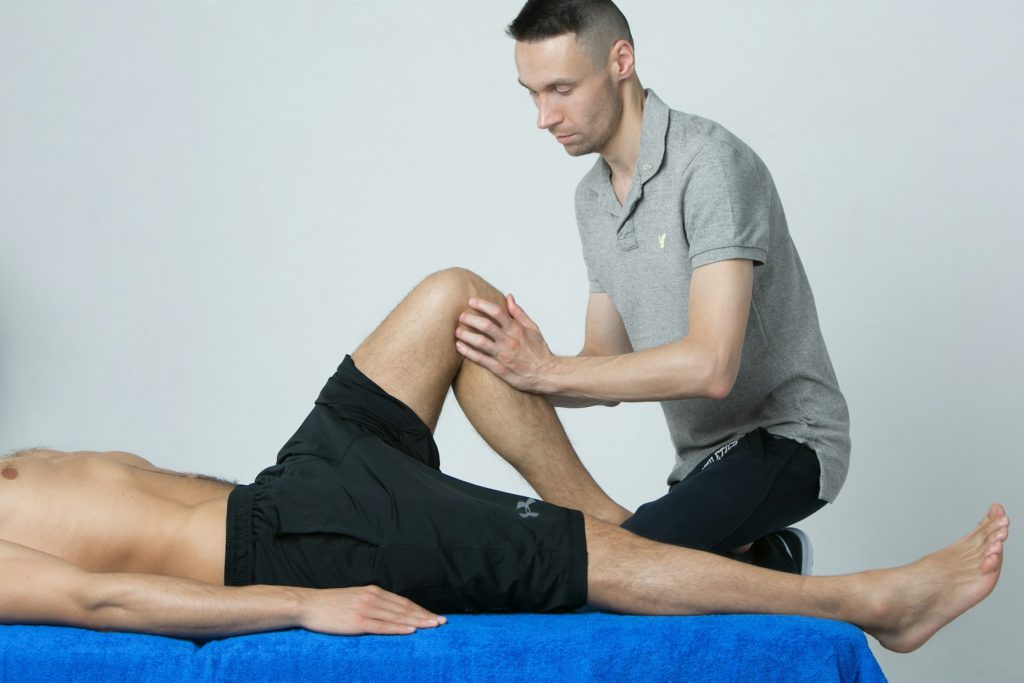
Once you have a diagnosis, ask questions. Talk with your physician, athletic trainer, and coach, and reach out to other athletes or parents who’ve been through a similar injury. For a serious injury, consider getting a second opinion. Treatment options keep improving, and some newer approaches can make a real difference in how you recover, so do your research before committing to the first plan you hear. The more informed you are, the more confident you’ll feel about your decisions.
3. Stay Connected to Your Team
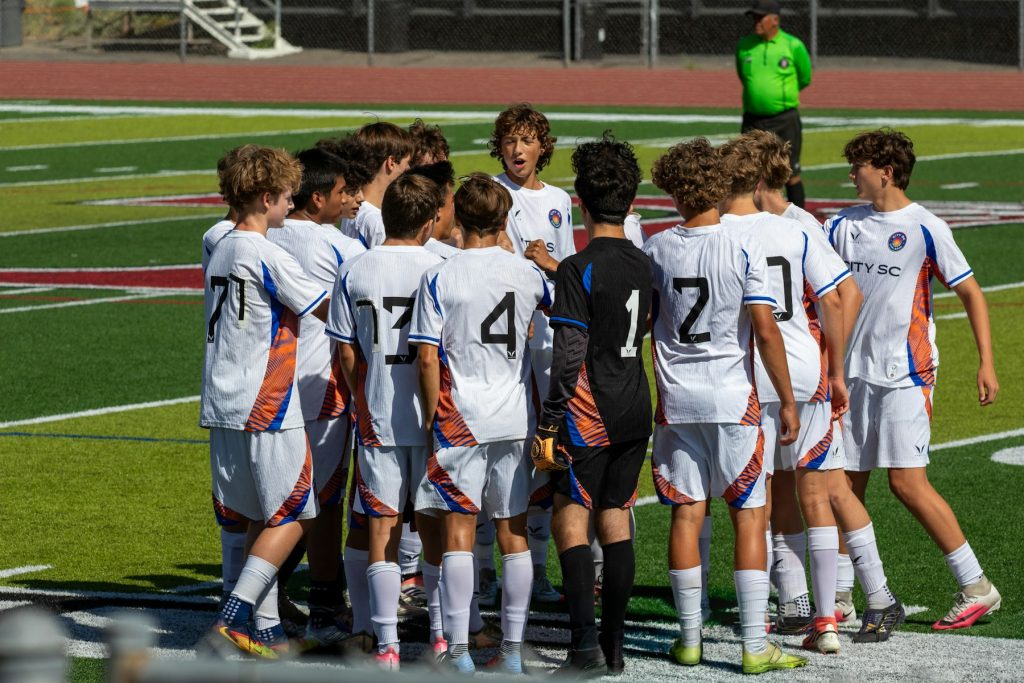
Injured athletes often drift away from their teams, and that isolation can make recovery harder. If you’re able, keep showing up to practices, games, and team outings. Cheer on your teammates, help your coaches, and look for ways to stay part of the group. You’re still a member of the team, even when you’re not in uniform.
4. Keep Growing as an Athlete While You Heal
An injury can leave you feeling helpless, as if your development has stopped or started sliding backward. One of the best ways to fight that feeling is to study the game. If your coaches allow it, sit with them during competitions and listen to how they think about strategy. Scout your opponents and write your own detailed reports. When your doctor clears you to play, you’ll come back with a sharper understanding of the game than when you left.
5. Don’t Let Your Injury Define You
For many athletes, sports are a big part of who they are. When you can’t compete, it’s easy to feel alone or start doubting yourself. Your injury doesn’t change your work ethic, your character, or your potential. It’s one chapter of your athletic story, not the whole book.
How to Handle Fear of Reinjury When You Return
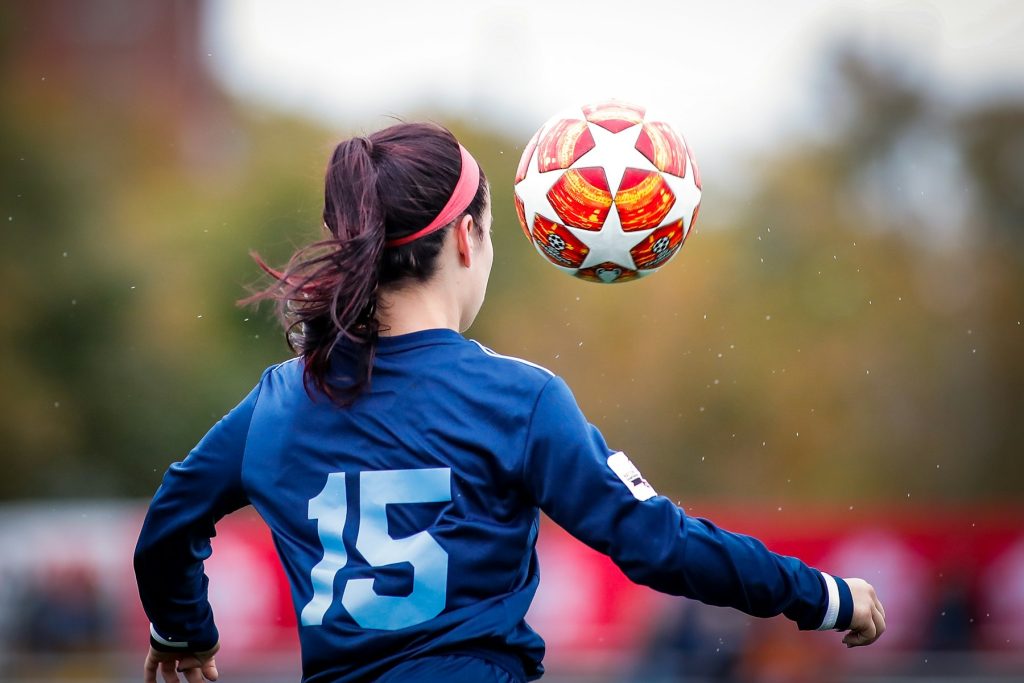
Getting medical clearance doesn’t always mean you feel ready. Fear of reinjury is one of the most common things athletes face when they come back, and it can show up as hesitation, playing tight, or avoiding the exact movement that caused your injury.
Start by saying the fear out loud to your athletic trainer or coach instead of hiding it. Follow the return-to-play plan your medical team gives you, because each stage you complete is proof that your body can handle more. Focus on small wins in practice, like one clean slide or one hard cut, and let your confidence build from there. If the fear still keeps you from playing the way you want after a few weeks back, a sports psychologist can teach you specific ways to manage it.
How to Help Your Child Cope With a Sports Injury
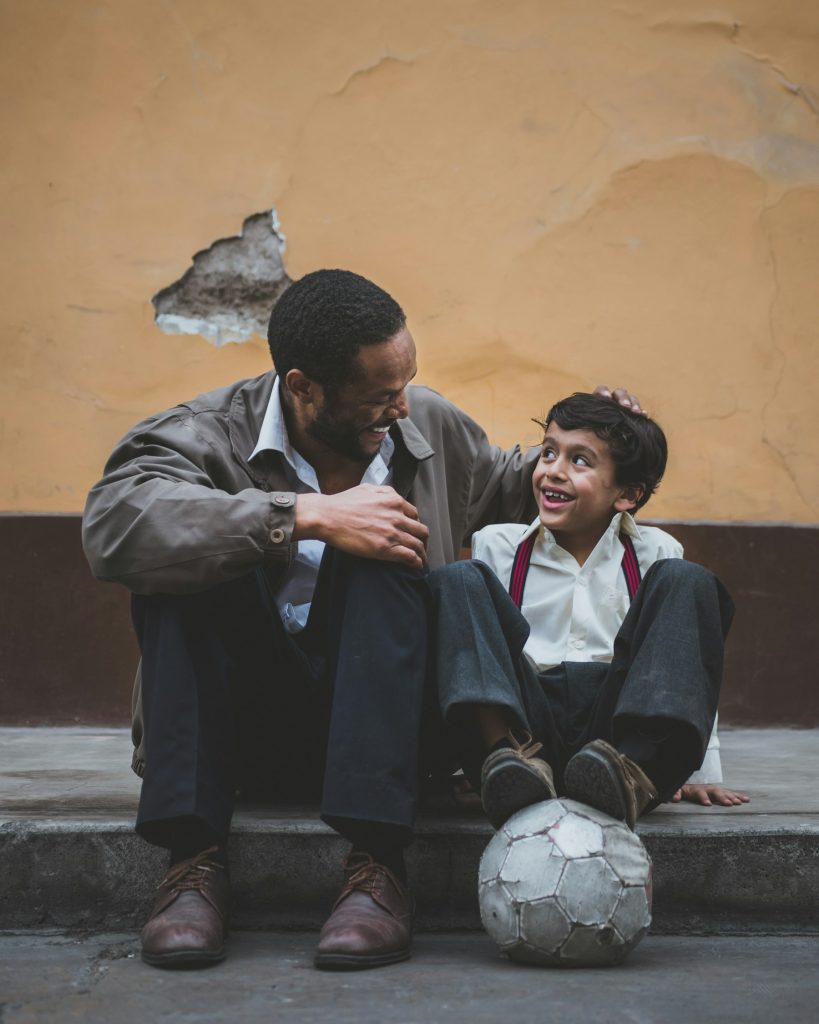
Watching your child go down with an injury is hard, and your reaction shapes theirs. Stay as calm as you can in the moment, and let them be upset without rushing to talk about when they’ll be back. Help them get a clear diagnosis, ask the doctor questions together, and encourage them to stay involved with their team. When they return, watch for signs they fear another injury, and make it safe for them to tell you. Most of all, remind them that you value who they are, not just how they play.
Sports Injuries and Mental Health: When to Talk to a Sports Psychologist
Sadness and frustration after an injury are normal. If those feelings last for weeks, get worse over time, or start affecting sleep, schoolwork, friendships, or interest in things outside of sports, reach out to a sports psychologist or licensed mental health professional. Talking with someone who understands athletes can make recovery feel far less lonely.
If you or your athlete ever has thoughts of self-harm, call 911 or go to the nearest emergency room right away. You can also reach the Suicide and Crisis Lifeline by calling or texting 988 in the US.
Frequently Asked Questions About Sports Injuries and Mental Health
What are the psychological effects of a sports injury?
Common psychological effects include sadness, frustration, anxiety, a sense of lost identity, feeling isolated from the team, and fear of getting hurt again. For most athletes, these ease as recovery moves forward, but some develop lasting low mood that deserves professional support.
How do you deal with depression after a sports injury?
Feeling down after an injury is common, especially for athletes whose sport is a big part of their identity. Staying connected to your team, keeping a sense of purpose by studying the game, and talking openly about how you feel all help. If low mood lasts for weeks or keeps getting worse, talk with a mental health professional.
How long does mental recovery from a sports injury take?
It varies from athlete to athlete. Mental recovery doesn’t always follow the same timeline as physical healing, and some athletes still feel nervous after their doctor clears them. Staying involved with your team and returning gradually both help your confidence catch up with your body.
Sports Injuries, Mental Health, and the Rest of Your Story
Almost every athlete who plays long enough will face an injury at some point. You can’t always control when it happens, but you can control how you respond.
Because sports injuries and mental health influence each other, real recovery means healing your mindset along with your body. Some of the most resilient, mentally tough athletes I’ve worked with didn’t become stronger despite their injuries. They became stronger because of how they worked through them.
Trust the process, lean on the people around you, and remember that this setback doesn’t have to define your future.